HIGHLIGHTS
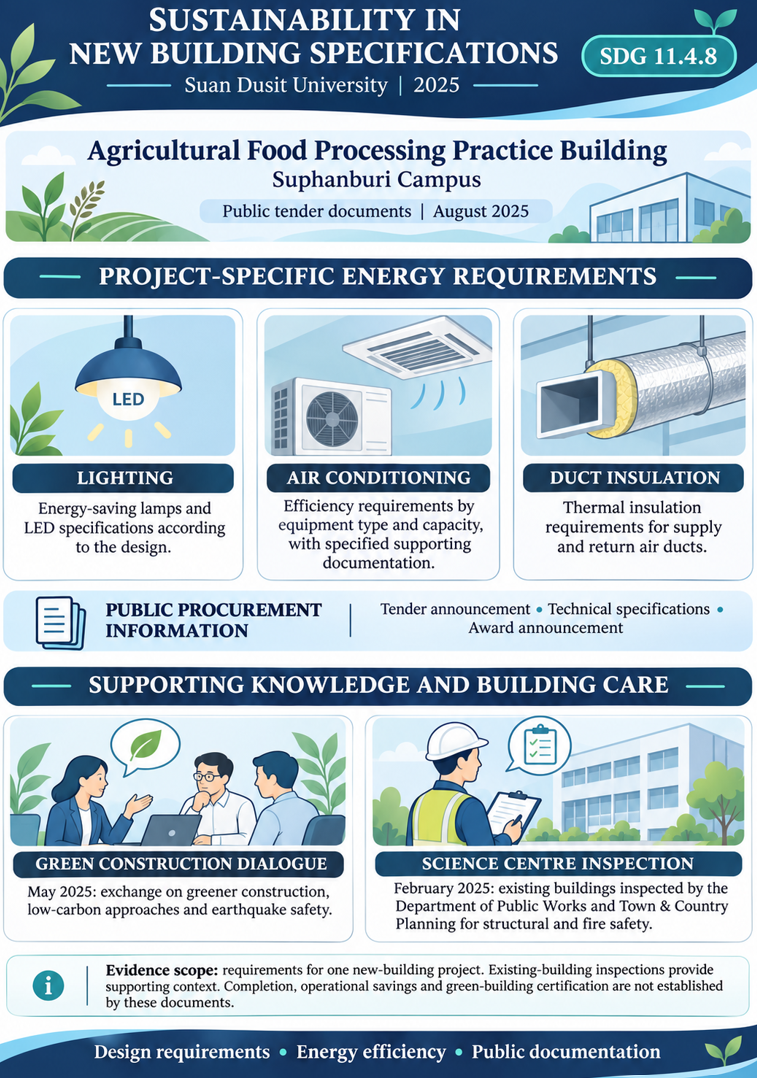
- Linking specifications to a new building project: The 2025 tender documents for the Agricultural Food Processing Practice Building at Suphanburi Campus publicly set out the scope of work and technical specifications supporting the procurement process.
- Specifying energy efficiency requirements: The technical specifications address lighting, air conditioning, and duct insulation, incorporating energy-related requirements at the pre-construction stage.
- Providing publicly accessible documentation: The University publishes tender notices, project documents, and award announcements through public websites, documenting the project’s procurement stages during the reporting year.
- Developing knowledge alongside building care: A green construction forum in 2025 connected environmental and low-carbon knowledge with earthquake safety, while facilities management units conducted safety inspections of existing buildings.
Sustainable building development begins with defining requirements, developing designs, and selecting the characteristics of building systems. Suan Dusit University continues its work on buildings and energy by connecting its previous management experience with the specifications of a new construction project in 2025, alongside knowledge exchange on green construction and building-user safety.
Key evidence from 2025 comprises the tender documents for the Agricultural Food Processing Practice Building at Suphanburi Campus, which specify energy efficiency requirements for building systems and are publicly available through university channels. These documents provide supporting evidence for Indicator 11.4.8: Planning Development—New Build Standards, within the scope of the project requirements documented.
From Building and Energy Management to New Project Specifications
In 2024, the University undertook activities relating to the verification and certification of energy management, discussions on energy-saving plans, and cooperation on energy-saving equipment and alternative energy. These activities provide context for resource and building-system management preceding the reporting year and a foundation for considering energy issues in campus development.
https://www.dusit.ac.th/home/2024/1233078.html
https://www.dusit.ac.th/home/2024/1220946.html
https://www.dusit.ac.th/home/2024/1206932.html
In 2025, energy efficiency considerations appeared in the detailed technical specifications for a new building project. Equipment and system requirements were specified for tenderers, allowing the requirements to be examined through project-specific documentation.
https://www.dusit.ac.th/home/2025/1621996.html
https://supply.dusit.ac.th/e_bidding/e_bidding2568/e_bidding/2_notice/e_bid32682_3.pdf
On 21 August 2025, Suan Dusit University published the third electronic tender notice for the construction of the Agricultural Food Processing Practice Building in Khok Kho Thao Subdistrict, Mueang Suphanburi District, Suphanburi Province. The accompanying documentation included the scope of work, drawings, technical specifications, and reference cost estimates.
These documents connect project requirements with the technical details used in tender preparation. The specifications cover lighting, air conditioning, and duct insulation—components associated with building energy use. Their publication at the procurement stage demonstrates that energy-related requirements were documented before installation and operation.
Documented Lighting and Air-Conditioning Requirements
The lighting section of the technical specifications identifies energy-saving lamps and LED lamps, together with the characteristics and power ratings specified in the design. These details form part of the conditions for selecting lighting equipment and must be considered alongside the relevant drawings and schedules.
For air conditioning, the specifications establish efficiency requirements according to equipment type and capacity. They also require documentation certifying product standards or energy efficiency for certain equipment categories. These provisions demonstrate the use of technical criteria in equipment selection and provide a basis for checking conformity during project implementation.
Both sets of requirements constitute evidence of equipment-level energy efficiency provisions within the new building project. The building’s energy performance after commissioning will require assessment using installation, testing, and operational data.
Incorporating Duct Insulation into Building-System Requirements
The technical specifications require thermal insulation for supply and return air ducts, detailing materials, thickness, joint sealing, and installation methods. These requirements address heat transfer within the duct system and establish installation conditions to be followed.
Specifying both equipment efficiency and insulation details demonstrates consideration of multiple components of the air-conditioning system, from equipment selection to associated installation work. The documentation provides a reference for those involved in the construction process.
Publishing Procurement Stages through Public Channels
Following the tender process, the University published an award announcement for the same project in September 2025. This documents progression from the disclosure of requirements and receipt of proposals to the announcement of the procurement result.
Publication through the procurement and University websites enables stakeholders to access project information and follow the announced stages. The evidence at this point establishes procurement status; construction progress, system testing, and acceptance must be assessed through the documentation associated with subsequent stages.
https://supply.dusit.ac.th/e_bidding/e_bidding2568/e_bidding/3_result/e_bid32683.pdf
https://supply.dusit.ac.th/e_Auction/data_news/e_bidding68_4.html
Strengthening Knowledge of Green Construction and Building Safety
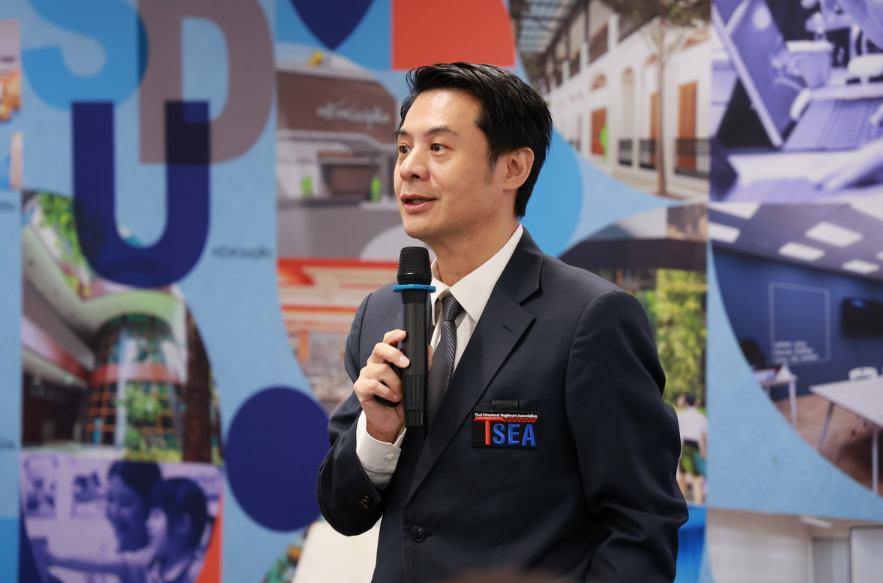
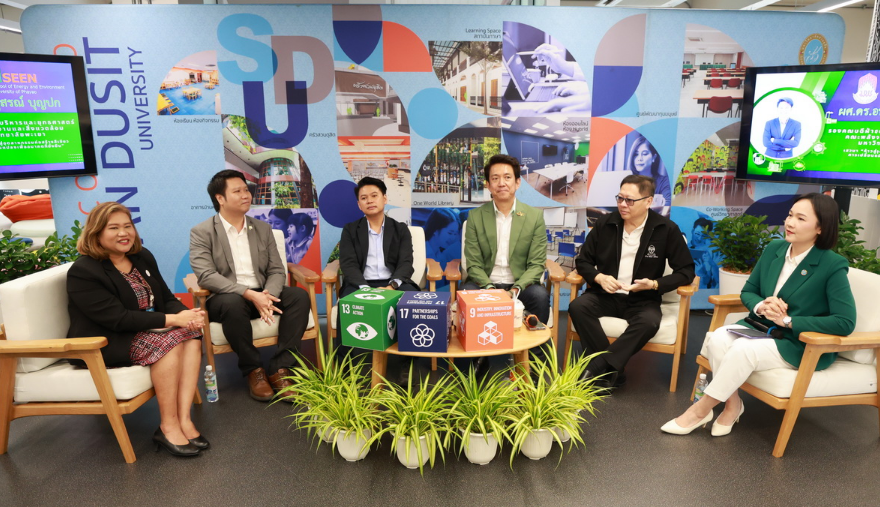
On 22 May 2025, the Faculty of Science and Technology organised the forum “Towards a Green Construction Industry: Transformation for a Sustainable Future.” The activity formed part of the University’s fiscal year 2025 project integrating cooperation on climate change adaptation and the transition towards carbon neutrality in alignment with the Sustainable Development Goals. It took place at the OWL activity area on the second floor of the Office of Academic Resources and Information Technology.
Assistant Professor Dr. Thitinart Sukhonkhet, Dean of the Faculty of Science and Technology, opened the event. Professor Dr. Amorn Pimanmas, President of the Thailand Structural Engineers Association, delivered a special lecture entitled “The Earthquake of 28 March 2025: Facts Thai People Should Know.” The forum also brought together business representatives, environmental engineering specialists, low-carbon construction networks, and academics.
The event provided a platform for exchanging ideas on environmentally responsible construction and building safety. According to the published report, the event’s carbon footprint was also calculated. The activity therefore supported knowledge development and professional networks relating to green construction, complementing the project-specific technical evidence for the new building.
https://www.dusit.ac.th/home/2025/1482339.html
Maintaining Existing Building Safety alongside New Development
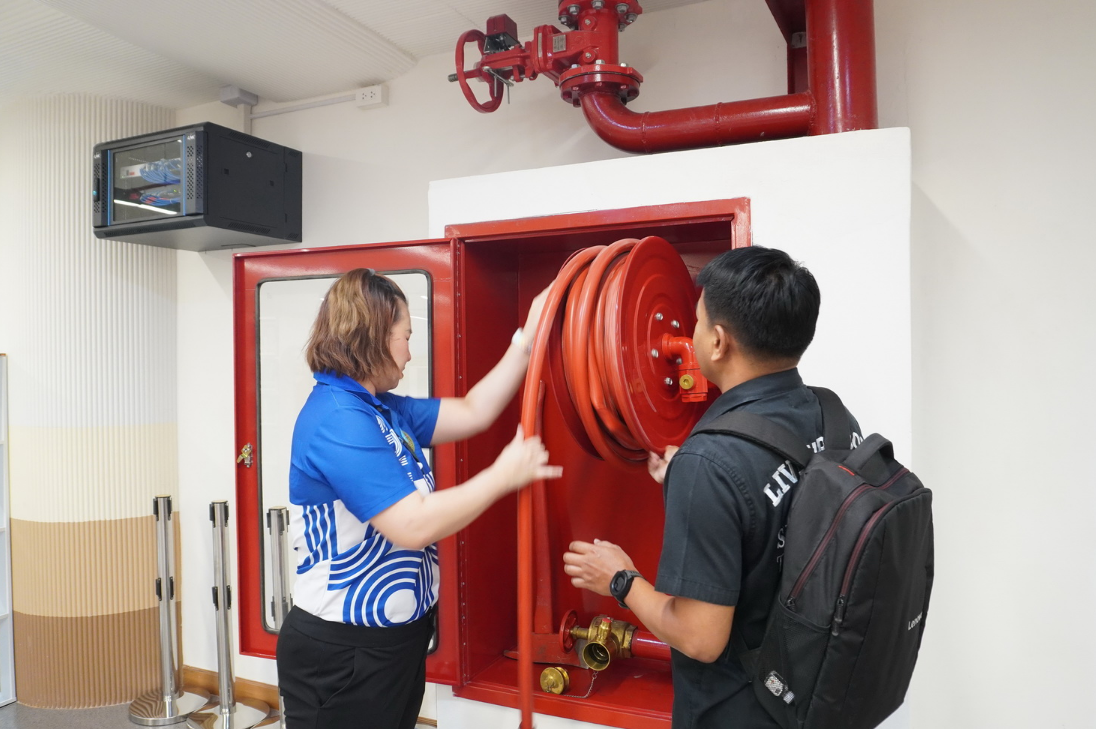
The University’s building-related activities in 2025 also included safety inspections of facilities already in use. On 25 February 2025, the Department of Public Works and Town & Country Planning inspected the Science Centre’s building commemorating the 50th birthday of Maha Vajiralongkorn and its residential building. The inspection covered structural safety, fire protection systems, and emergency escape routes, with personnel from the Office of Science Building Services and the Buildings and Grounds Division participating.
https://www.dusit.ac.th/home/2025/1434424.html
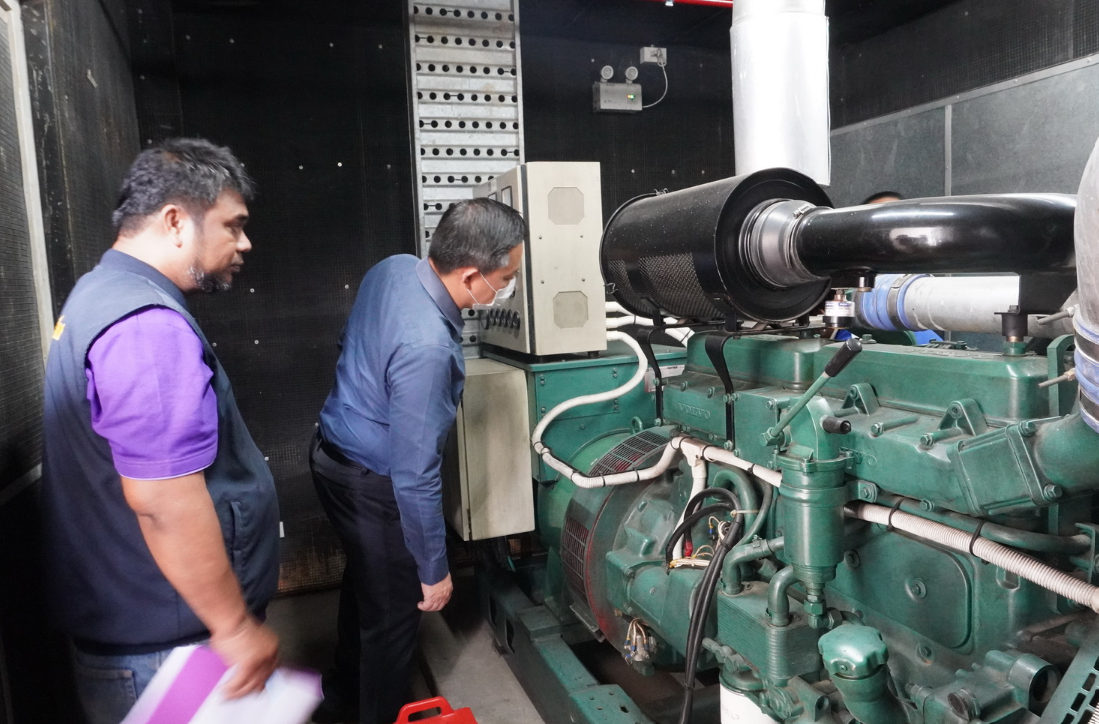
A further report published on 3 April 2025 described safety inspections of university buildings and La-orutis Demonstration School at Nakhon Nayok Education Centre following an earthquake. The report stated that no damage affecting building use was found. These inspections provide context for building care throughout the operational life cycle, alongside preparations for new building development.
https://www.dusit.ac.th/home/2025/1458625.html
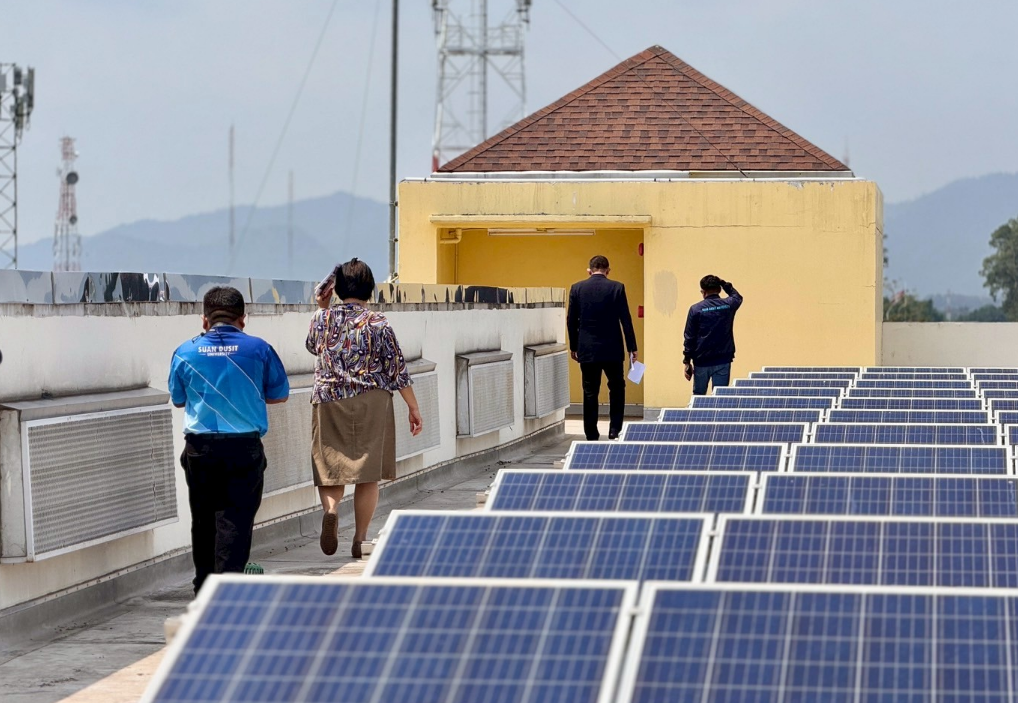
Activities spanning 2024 and 2025 connect building and energy management, technical specifications for a new project, and knowledge development in green construction. The tender documents for the Agricultural Food Processing Practice Building provide verifiable energy-related requirements at the procurement stage, while the forum and building inspections offer supporting context on knowledge and occupant safety. Within the scope of the published project specifications, this evidence supports the presentation of information under Indicator 11.4.8 and provides a basis for subsequent monitoring of installation conformity, system testing, and building operation.