HIGHLIGHTS
- Provides farmers in the university’s service areas with knowledge of climate change impacts, adaptation and greenhouse gas mitigation.
- Promotes practical learning through tree carbon storage assessment and approaches to low-carbon agriculture.
- Extends knowledge exchange to industrial businesses and urban communities through green industry and circular economy activities.
- Collaborates with community enterprises, government agencies and local networks, with publicly accessible documentation of activities.
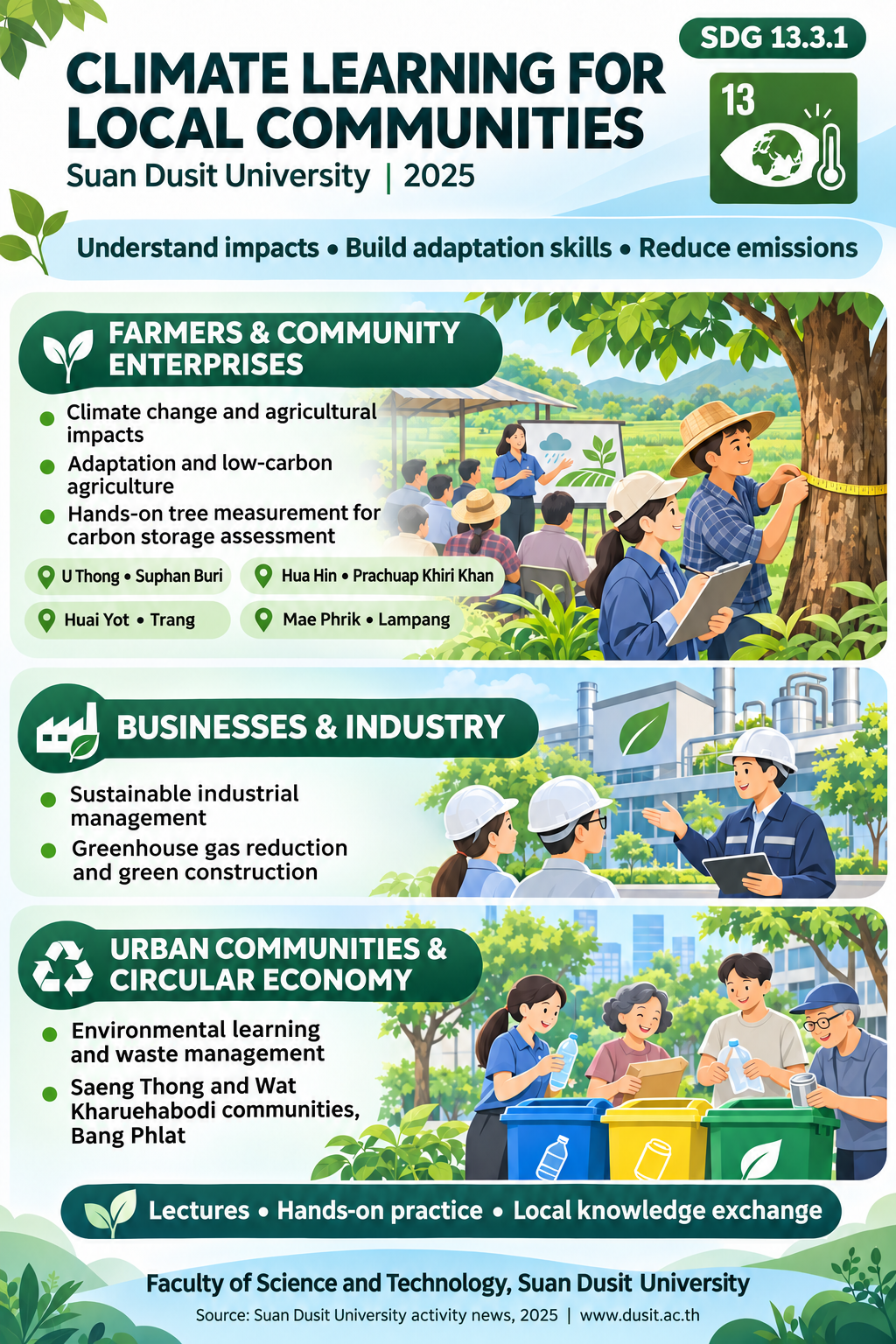
Addressing climate change at the local level requires knowledge that is relevant to people’s livelihoods, resources and everyday lives. In 2025, Suan Dusit University, through its Faculty of Science and Technology, delivered academic outreach and learning activities for farmers, businesses and communities. These activities addressed climate change impacts, adaptation and approaches to reducing greenhouse gas emissions through lectures, experience sharing and practical fieldwork.
Strengthening Farmers’ Knowledge and Skills to Respond to Climate Change
The university provided climate education to farmers in Suphan Buri, Prachuap Khiri Khan, Trang and Lampang provinces, linking an understanding of agricultural impacts with adaptation strategies and low-carbon production practices.
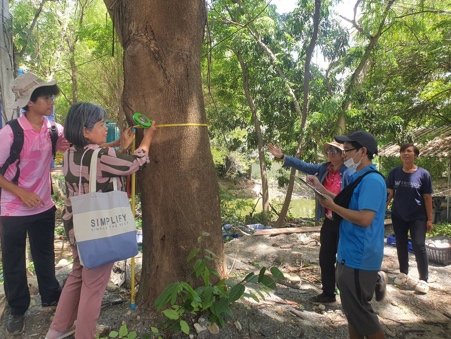
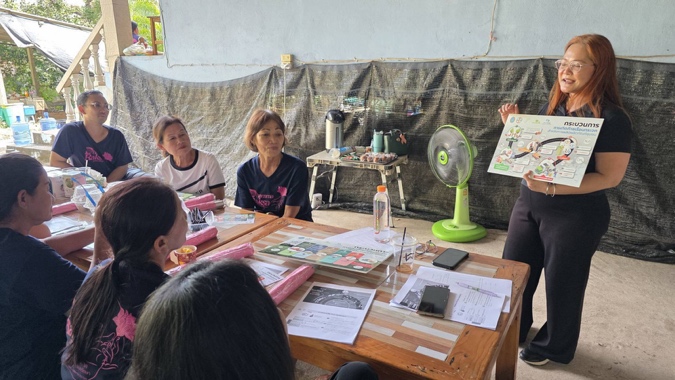
On 9 June 2025, the Faculty of Science and Technology collaborated with the Suan Kluai U Thong Community Enterprise in Suphan Buri to deliver training for local farmers. The programme covered climate change fundamentals, impacts and adaptation, low-carbon agriculture, greenhouse gas emissions assessment and mitigation, carbon storage in forest ecosystems, and the Thailand Voluntary Emission Reduction Programme (T-VER). Participants racticed measuring trees and recording data to assess carbon storage, connecting greenhouse gas concepts with resources available within their communities.
https://www.dusit.ac.th/home/2025/1882796.html
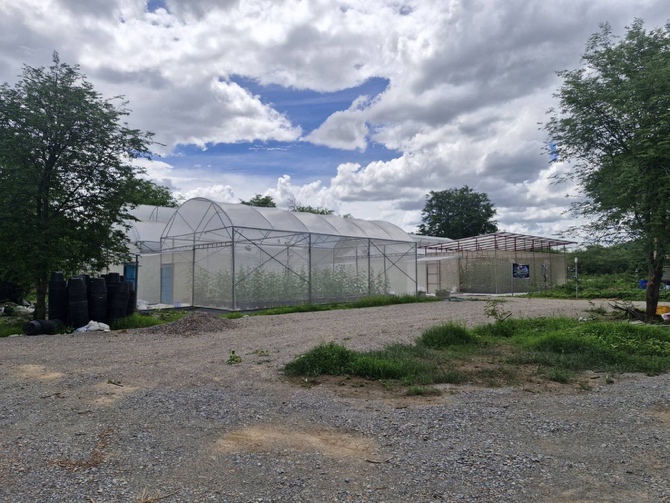
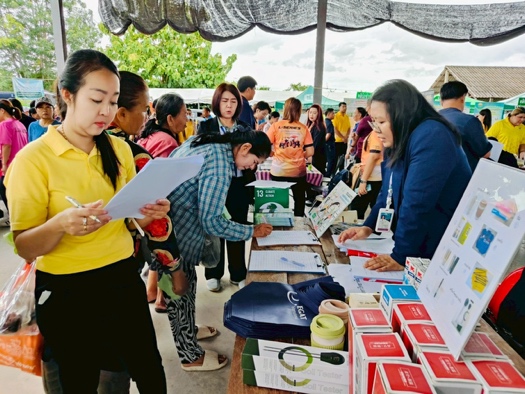
On 22 July 2025, the university participated in the Royal Mobile Agricultural Clinic Project in Hua Hin District, Prachuap Khiri Khan. Lectures and practical activities addressed the impacts of climate change on agriculture, adaptation and low-carbon farming. Participants were also introduced to agricultural greenhouse gas emissions assessment and basic mitigation approaches through a network of agencies providing services to local farmers.
https://www.dusit.ac.th/home/2025/1882861.html
In December, the university expanded its activities under a project to develop agricultural practices supporting the reduction of climate-related risks in its service areas. On 9 December 2025, training was delivered at a large-scale rubber farming site in Nong Chang Laen Subdistrict, Huai Yot District, Trang. The programme integrated theoretical and practical learning on climate change fundamentals, agricultural impacts, adaptation, and low-carbon practices associated with agricultural production and processing.
https://www.dusit.ac.th/home/2025/1882991.html
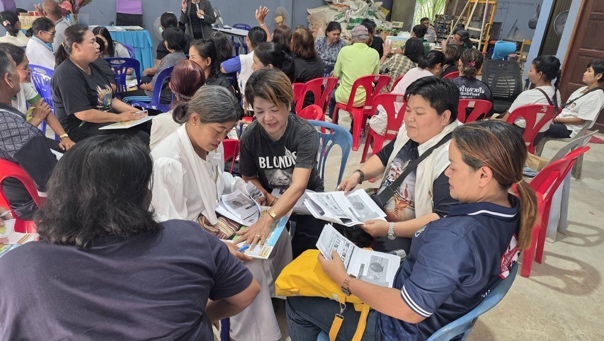
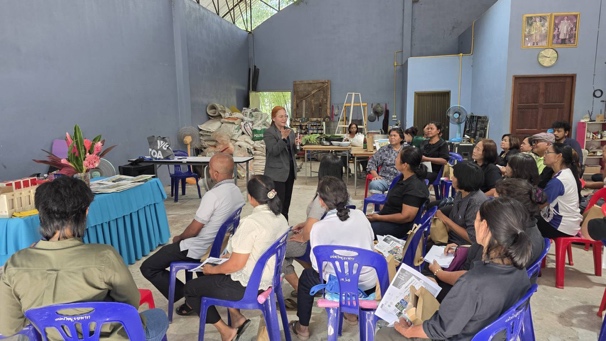
On 20 December 2025, the university delivered training at the Ban Mae Chiang Rai Bon Community Enterprise, Yochita Farm, Mae Phrik District, Lampang. The activity aimed to strengthen the knowledge and skills of farmers and agricultural personnel in responding to climate change, focusing on impacts, adaptation and low-carbon agriculture.
https://www.dusit.ac.th/home/2025/1883059.html
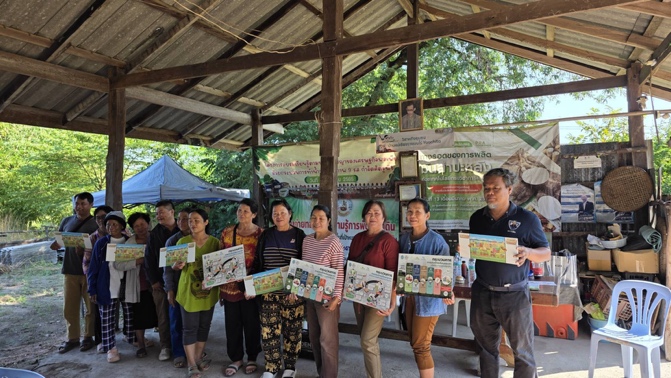
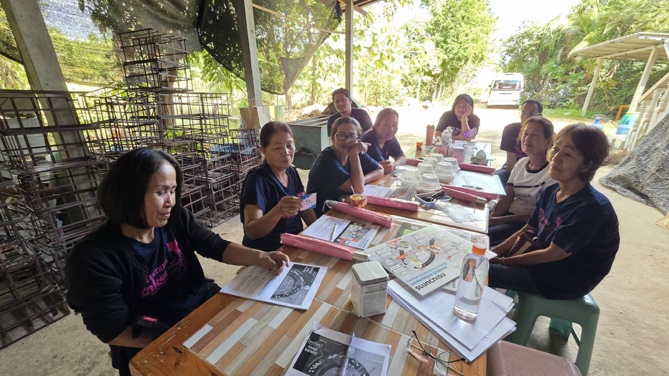
On 21 December 2025, a further training activity was held at the Community Enterprise for Herbal and Agricultural Product Processing in Mae Phrik District, Lampang. The programme linked climate change knowledge and adaptation with the development of low-carbon agricultural practices in production and processing, providing a foundation for participants to consider applications within their own livelihoods.
https://www.dusit.ac.th/home/2025/1883158.html
Extending Greenhouse Gas Mitigation Knowledge to Industry
Alongside its engagement with farmers, the university provided opportunities for businesses and industry networks to exchange knowledge. On 22 May 2025, the Faculty of Science and Technology organised a seminar entitled “Towards a Green Construction Industry: Transformation for a Sustainable Future”. Experts and business representatives exchanged perspectives on green construction, while an event carbon footprint assessment was undertaken as part of the activity.
https://www.dusit.ac.th/home/2025/1482339.html
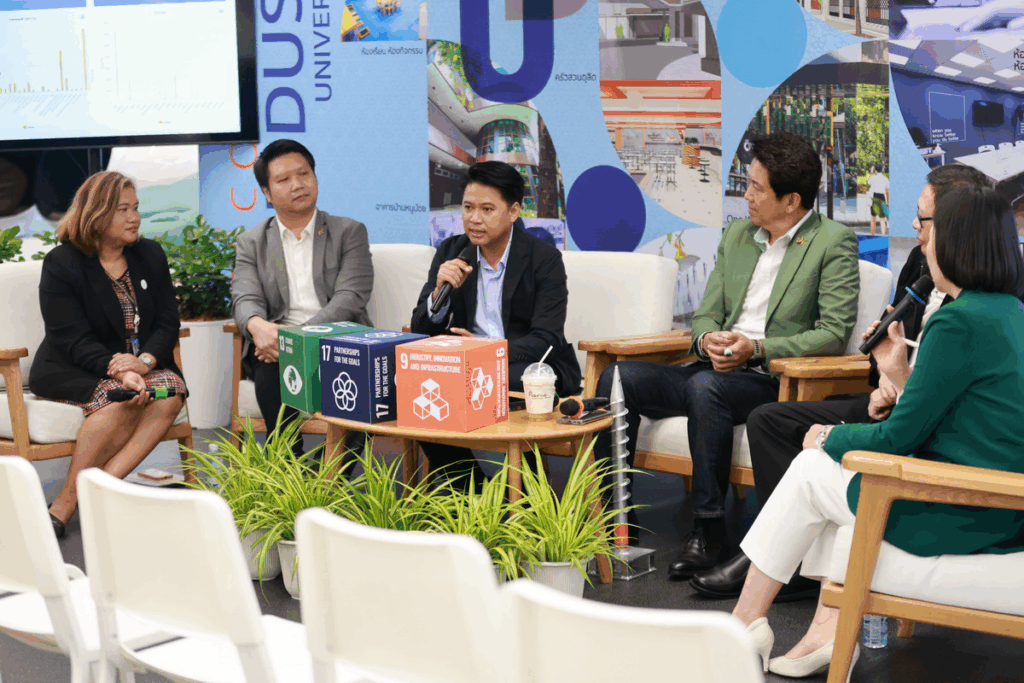
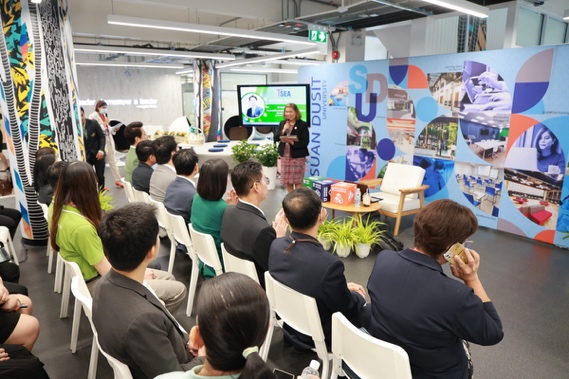
On 4 August 2025, training on sustainable industrial management and greenhouse gas mitigation was delivered at the university’s Science Centre on Sirindhorn Road and online. Business representatives, students and university personnel explored sustainable industrial management and approaches to advancing low-carbon industry. Together, these activities extended knowledge of greenhouse gas mitigation to practitioners and businesses beyond the university.
https://www.dusit.ac.th/home/2025/1815190.html
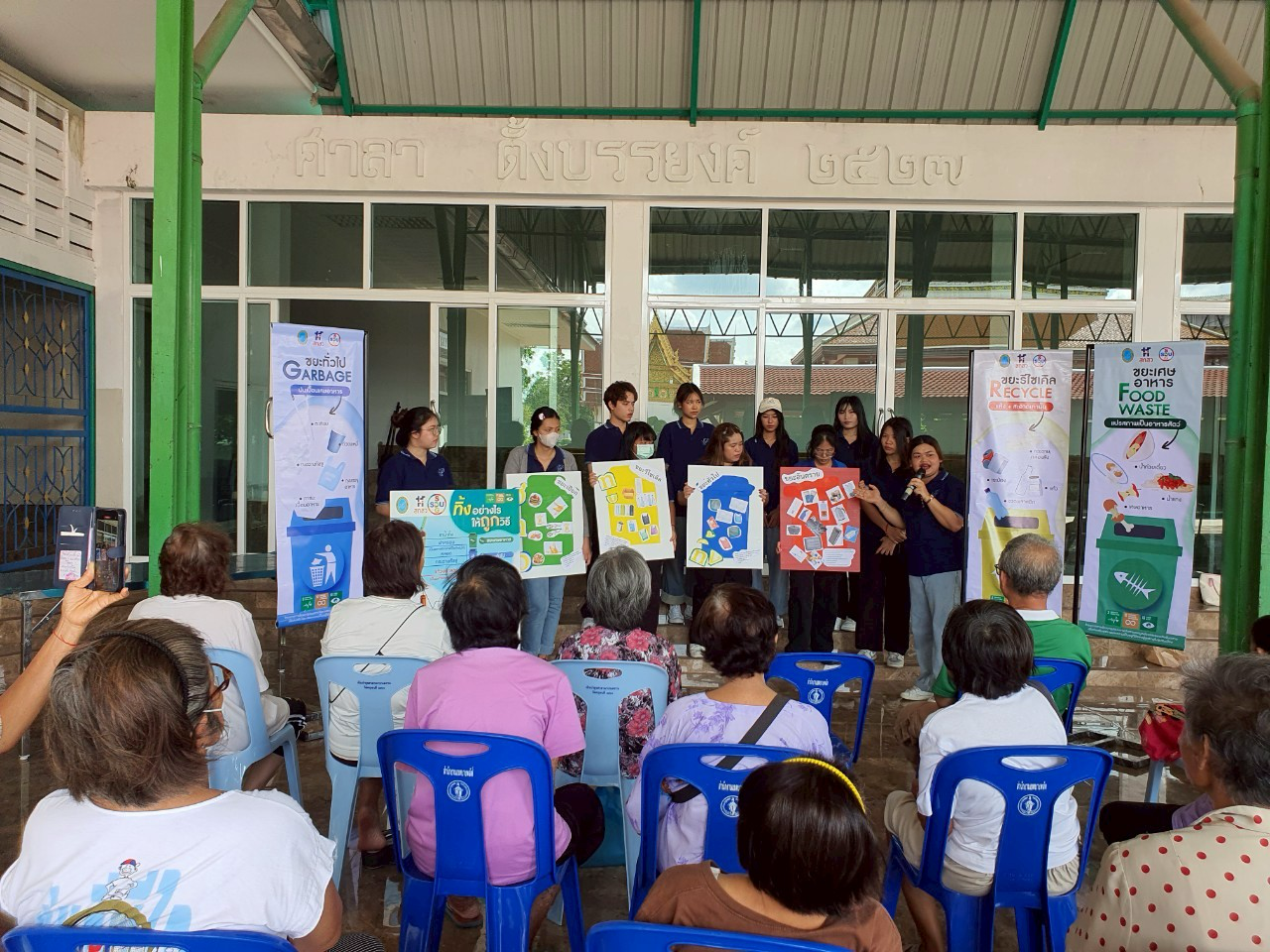
The university also promoted environmental learning in everyday life through the activity “Low-Carbon Communities for Better Health through a Circular Economy”, conducted with the Saeng Thong community in Bang Phlat District on 26 April 2025, with coordination support from the Bang Phlat District Office. The activity focused on environmental health, pollution prevention and waste management. Waste segregation learning materials and reusable cloth bags were distributed to support learning about resource use and environmental management at household and community levels.
https://www.dusit.ac.th/home/2025/1468895.html
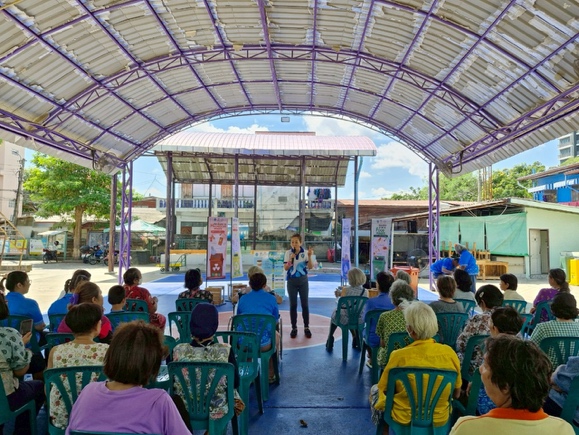
On the same day, the university conducted a corresponding activity with the Wat Kharuehabodi community in Bang Phlat District. Participants received information on environmental health, pollution prevention and waste management, together with waste segregation materials and reusable cloth bags. The activity supported community learning about environmental management practices relevant to everyday life.
https://www.dusit.ac.th/home/2025/1468848.html
The activities undertaken in 2025 demonstrate Suan Dusit University’s role in providing learning opportunities beyond its student population. By connecting climate knowledge with agriculture, production and community life, the university supported local learning through collaboration with networks in its service areas. Activity reports and photographs published on the university website provide publicly accessible evidence of its educational outreach and engagement in addressing climate change in support of SDG 13.