HIGHLIGHTS
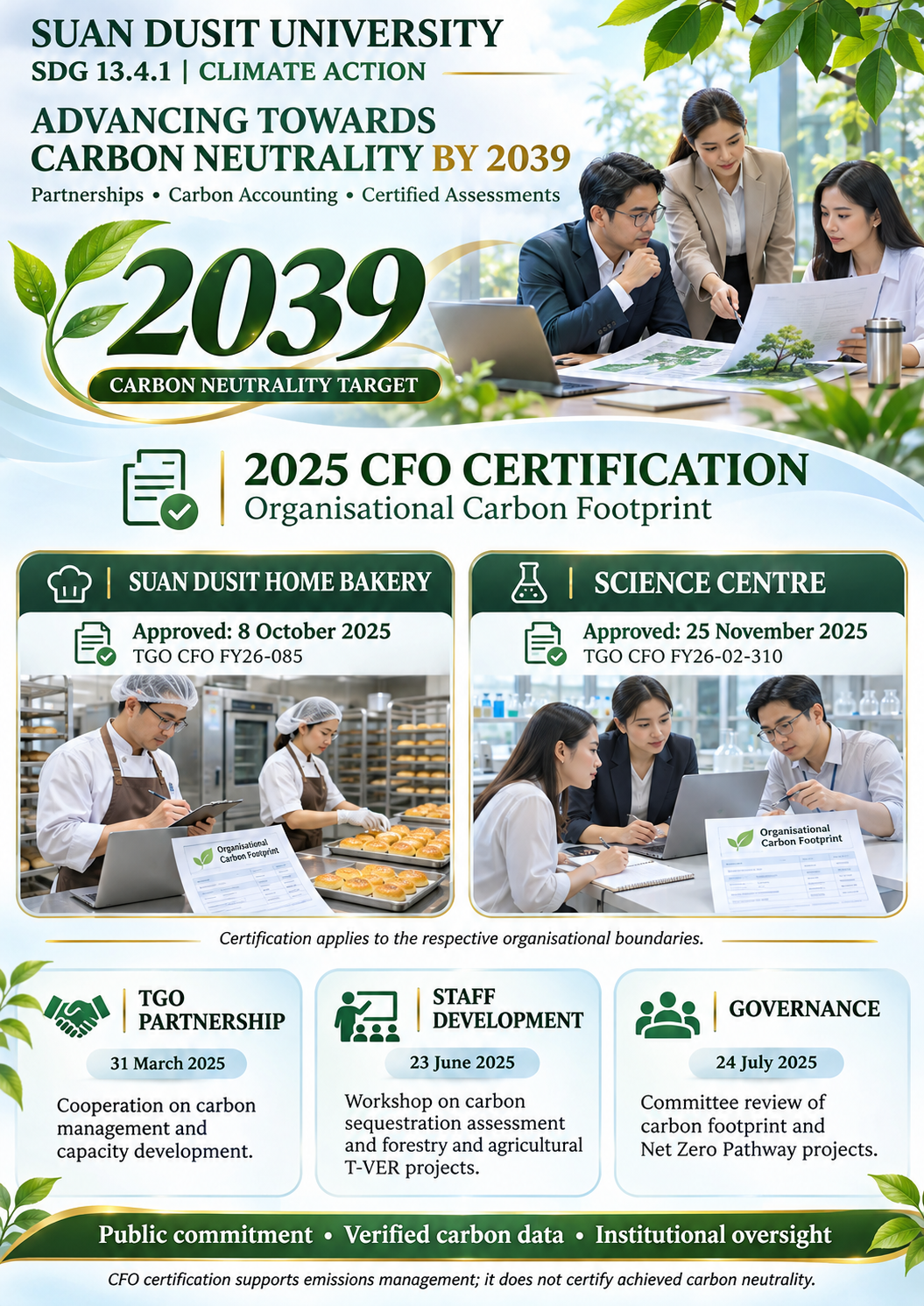
- Pursues its publicly stated goal of achieving carbon neutrality by 2039.
- Cooperates with the Thailand Greenhouse Gas Management Organization to strengthen institutional carbon management.
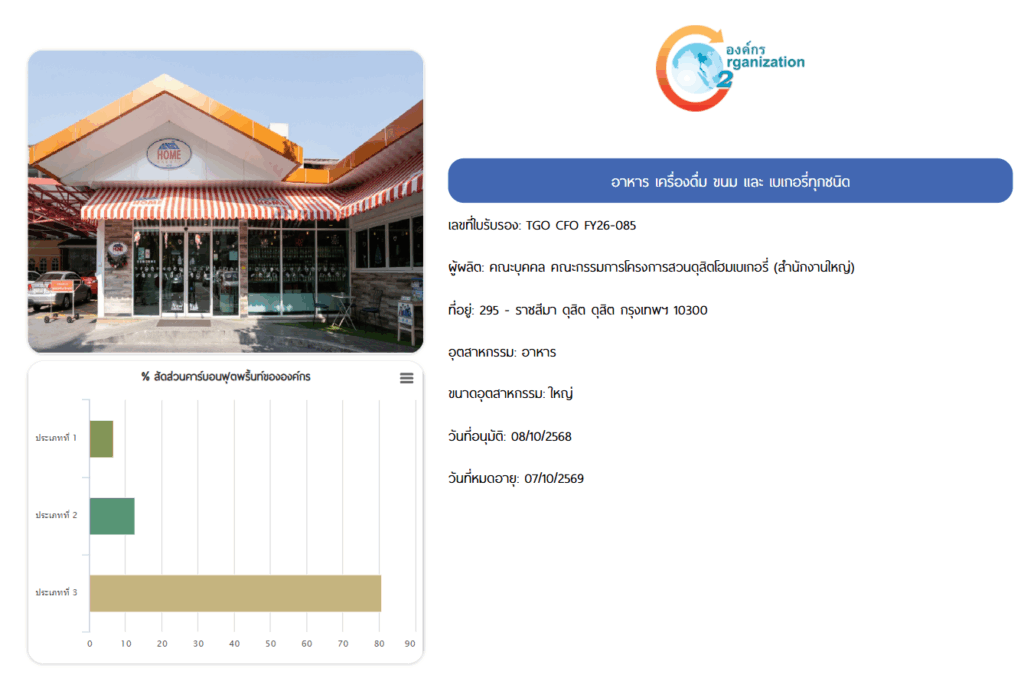
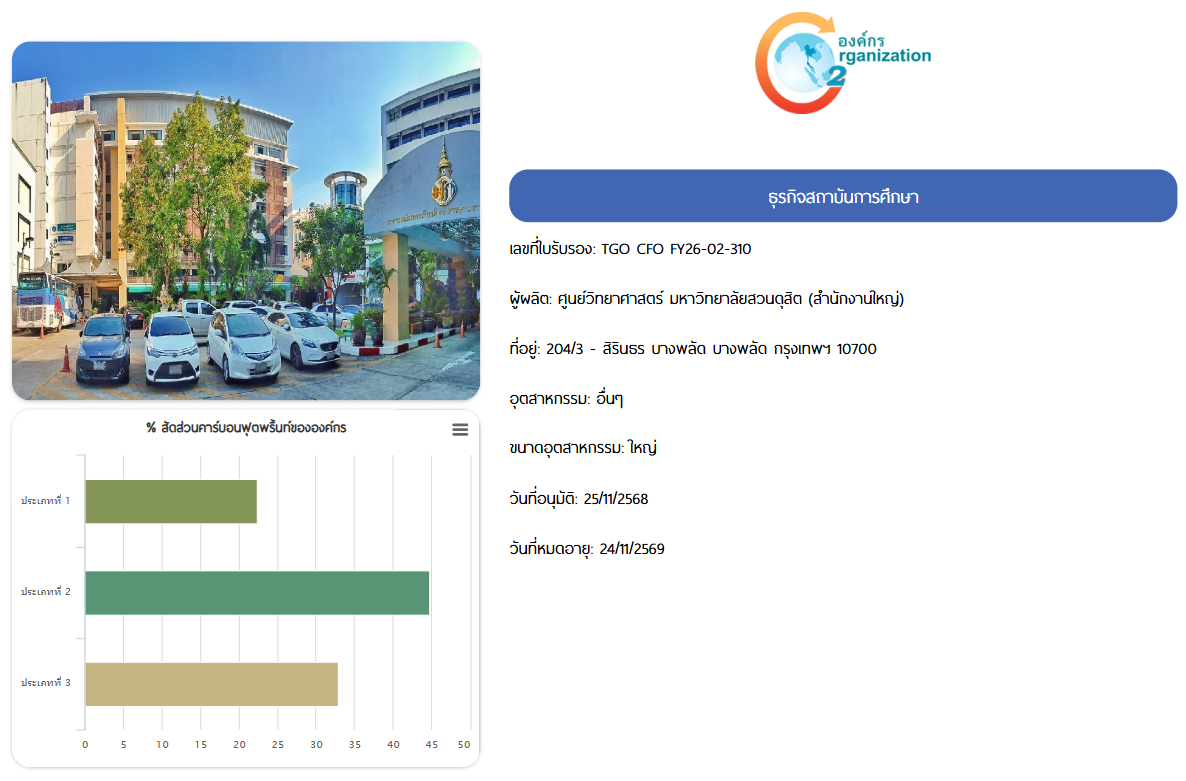
- Secured organisational carbon footprint certification for Suan Dusit Home Bakery and the Science Centre in 2025.
- Develops staff capacity and monitors carbon-related projects through university governance mechanisms.
Suan Dusit University connects its long-term carbon neutrality commitment with greenhouse gas accounting, staff development and cooperation with specialist organisations. In 2025, these efforts progressed beyond data preparation and external assessment to organisational carbon footprint certification for two university units: Suan Dusit Home Bakery and the Science Centre.
Pursuing the 2039 Carbon Neutrality Goal
The university has publicly communicated its goal of achieving carbon neutrality by 2039. Its 2022 Environmental Management Plan and Monitoring Report identifies a combined target described as covering “Scope 1, 2 and 3 (full)” for that year.
The plan identifies emissions associated with fuel consumption, refrigerant leakage, purchased electricity, procurement, transportation, waste management and employee commuting. These sources provide a framework for connecting energy and resource management with institutional greenhouse gas management.
The university also publishes its carbon neutrality target and supporting approaches on its sustainable development website, alongside a declaration of organisational greenhouse gas targets.
Strengthening Institutional Carbon Management through Cooperation with TGO
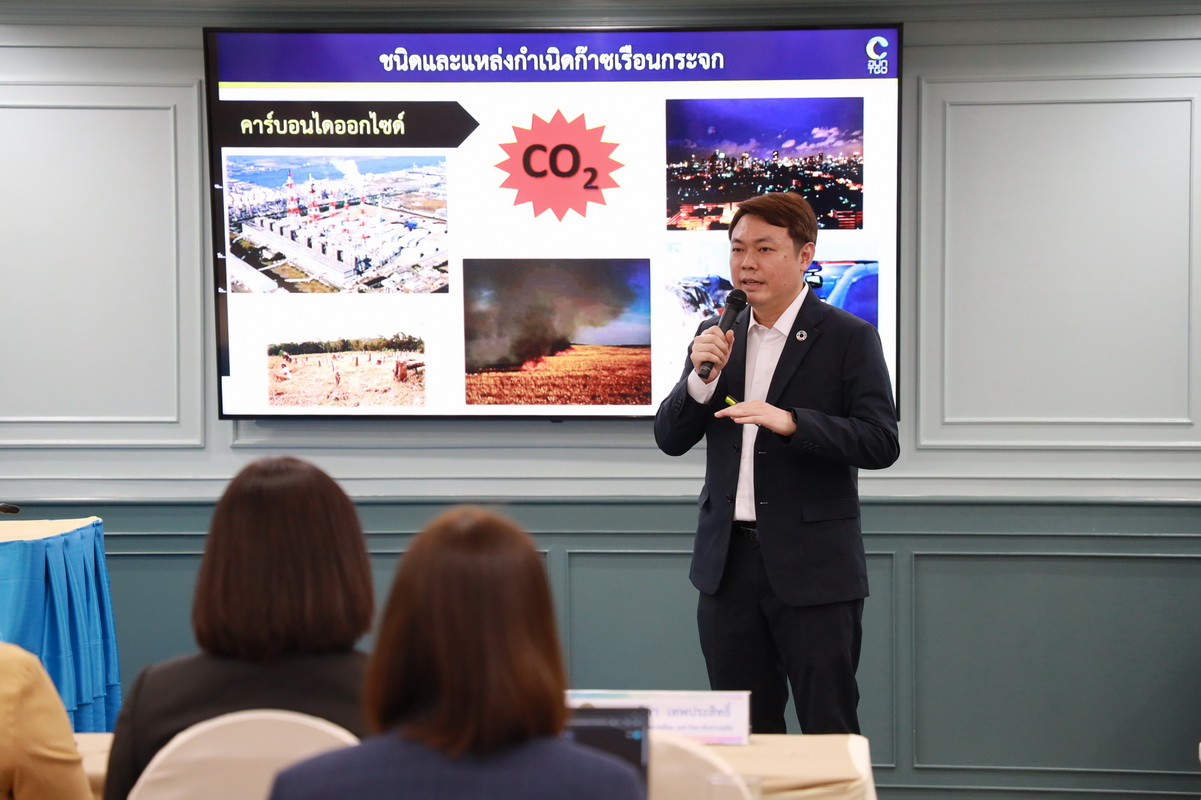
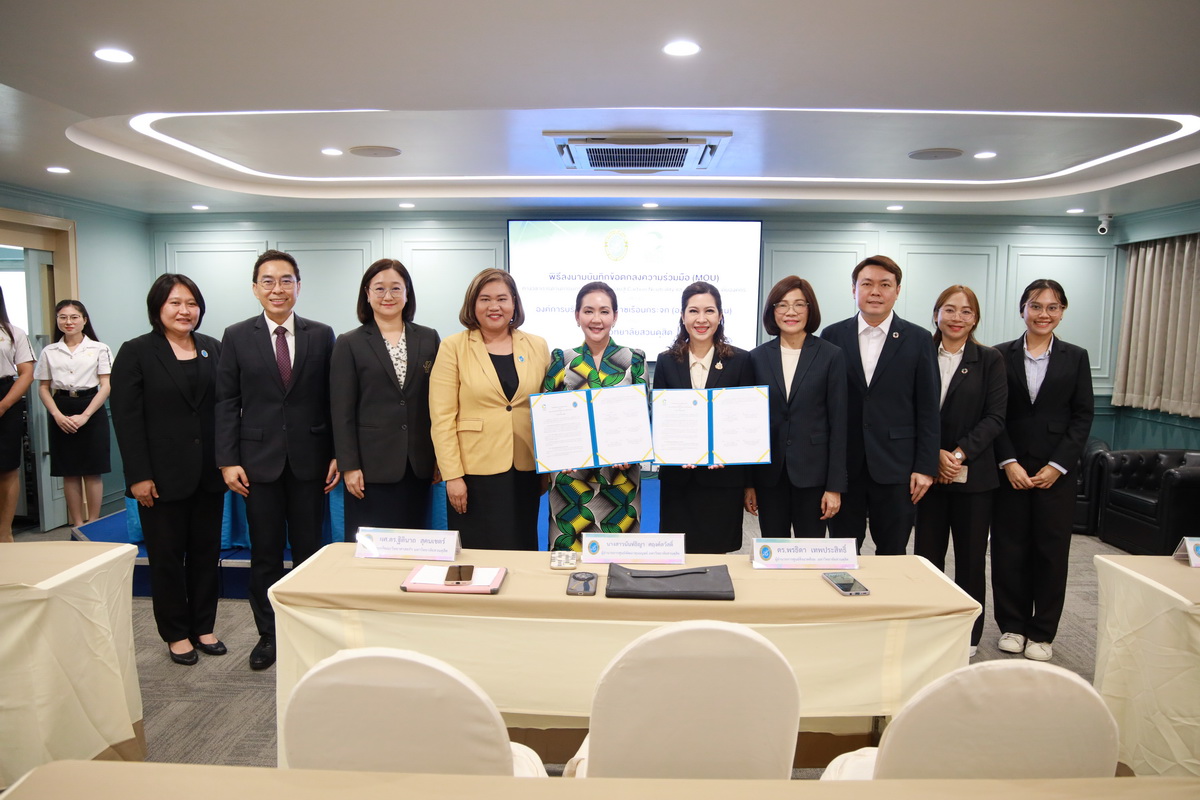
On 31 March 2025, Suan Dusit University signed an academic cooperation agreement with TGO to advance the university towards Carbon Neutrality and Net Zero at the organisational level. The signing ceremony was accompanied by a presentation on approaches to progressing towards these objectives.
The cooperation encompasses carbon offsetting, carbon footprint assessment and verification, greenhouse gas mitigation and carbon credit management. It also supports the development of knowledge and practical experience among university staff and students, including staff capacity to serve as organisational and product carbon footprint consultants and verifiers.
The agreement connects TGO’s expertise with university operations and supports the development of carbon management processes underpinned by data and assessment.
https://www.dusit.ac.th/home/2025/1456396.html
Developing Carbon Data through a Pilot Site
The Environmental Centre, Faculty of Science and Technology, implemented the organisational carbon footprint assessment and carbon credit management project, with Suan Dusit Home Bakery serving as a pilot site. Activities included defining assessment boundaries, collecting emissions activity data and preparing an organisational greenhouse gas inventory for external review.
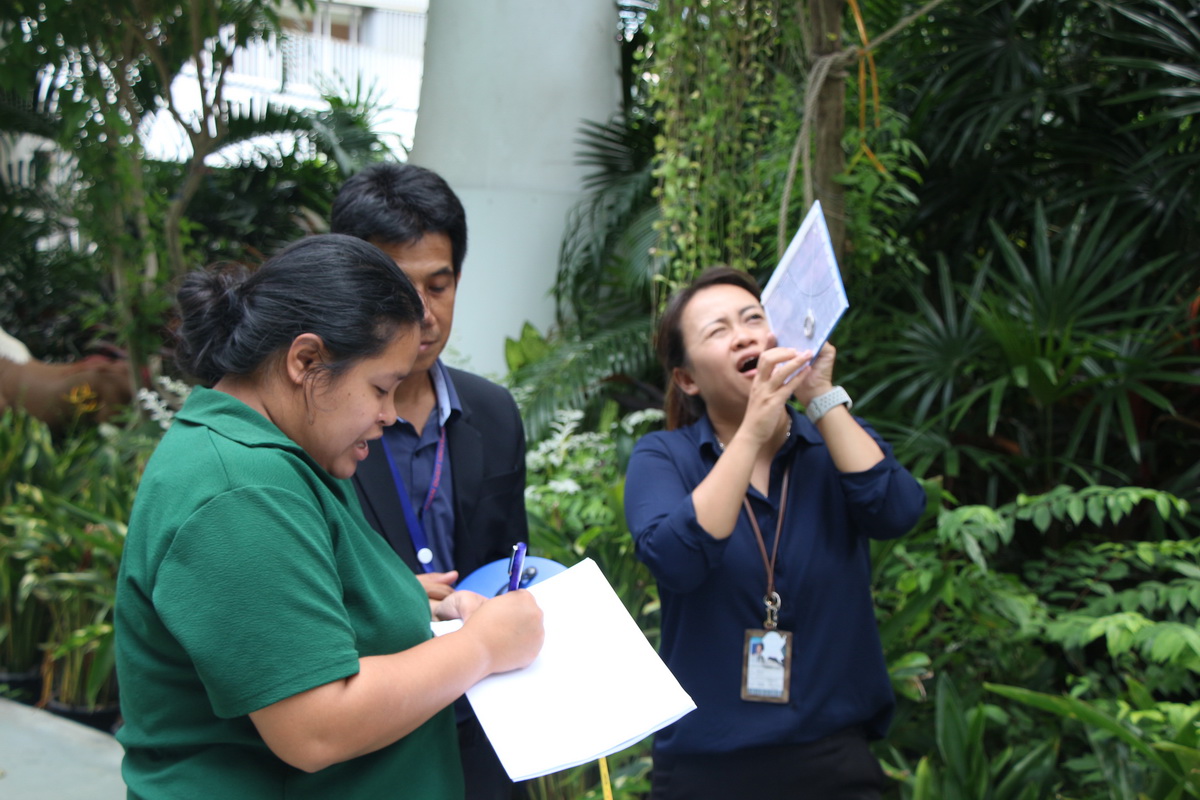
On 5 August 2025, Home Bakery presented its greenhouse gas emissions and removals report during an assessment by an external validation and verification body (VVB). Personnel from Home Bakery and the Environmental Centre participated in the assessment, connecting operational data collection with external verification.
https://www.dusit.ac.th/home/2025/1589984.html
Securing Organisational Carbon Footprint Certification in 2025
TGO’s public certification database confirms that Suan Dusit Home Bakery received approval on 8 October 2025, under certificate number TGO CFO FY26-085.
This certification provides documented recognition of carbon footprint accounting within the certified organisational boundary and strengthens the evidence base for subsequent emissions management.
The database also confirms that the Science Centre, Suan Dusit University, received approval on 25 November 2025, under certificate number TGO CFO FY26-02-310.
Together, the two certifications demonstrate progress in establishing externally assessed greenhouse gas accounts within university units. They provide a foundation for identifying emissions sources, developing mitigation measures and tracking changes within the respective assessment boundaries.
Building Staff Capacity for Greenhouse Gas Accounting
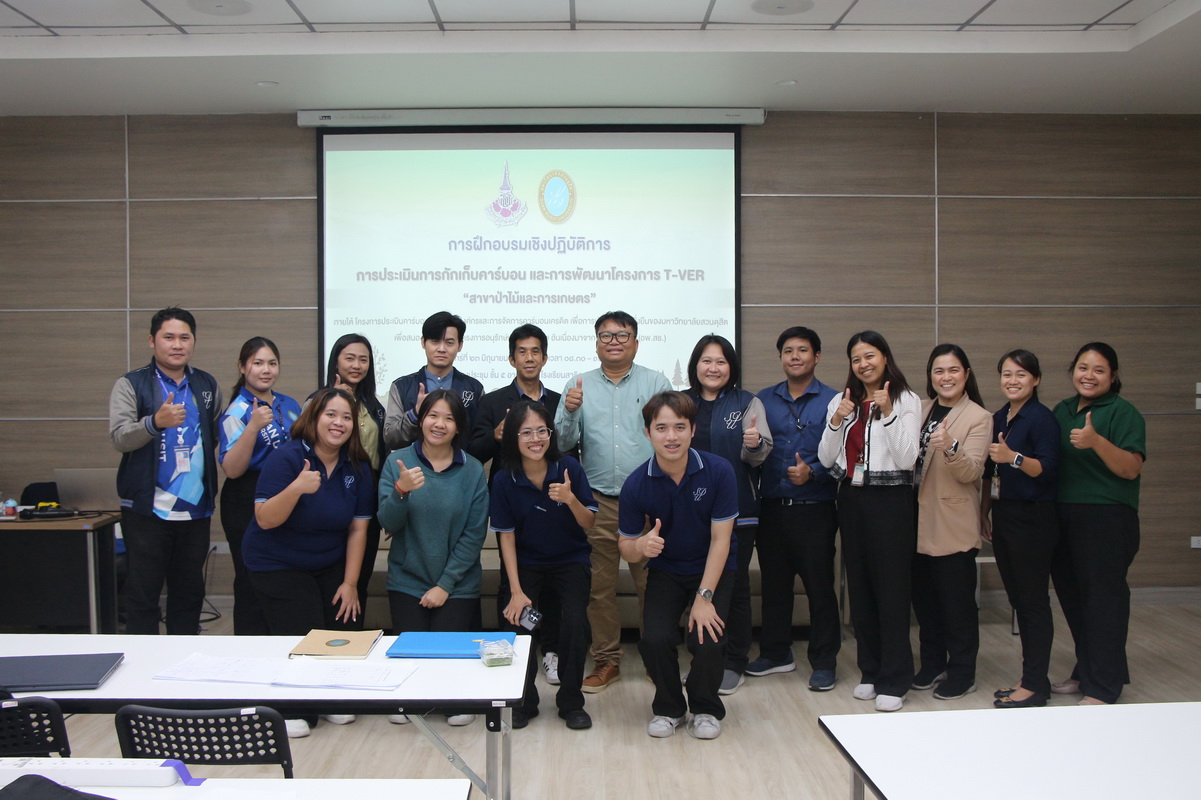
On 23 June 2025, the Environmental Centre, Faculty of Science and Technology, organised a workshop on “Carbon Sequestration Assessment and T-VER Project Development in Forestry and Agriculture” under the university’s organisational carbon footprint assessment and carbon credit management project.
The workshop featured an expert from the Faculty of Environment and Resource Studies, Mahidol University, who addressed the importance of greenhouse gas management, approaches to carbon management, and an overview of forestry and agricultural projects under the Thailand Voluntary Emission Reduction Programme (T-VER). The activity supported knowledge development relevant to carbon sequestration assessment and voluntary emission reduction project development.
https://www.dusit.ac.th/home/2025/1522903.html
Monitoring Progress through University Governance
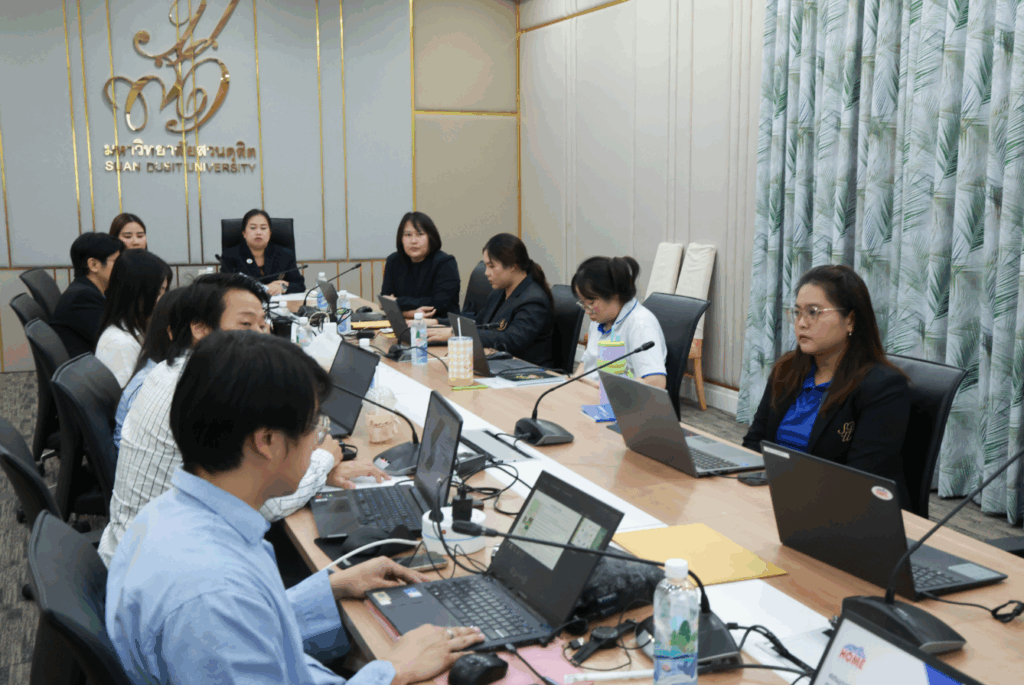
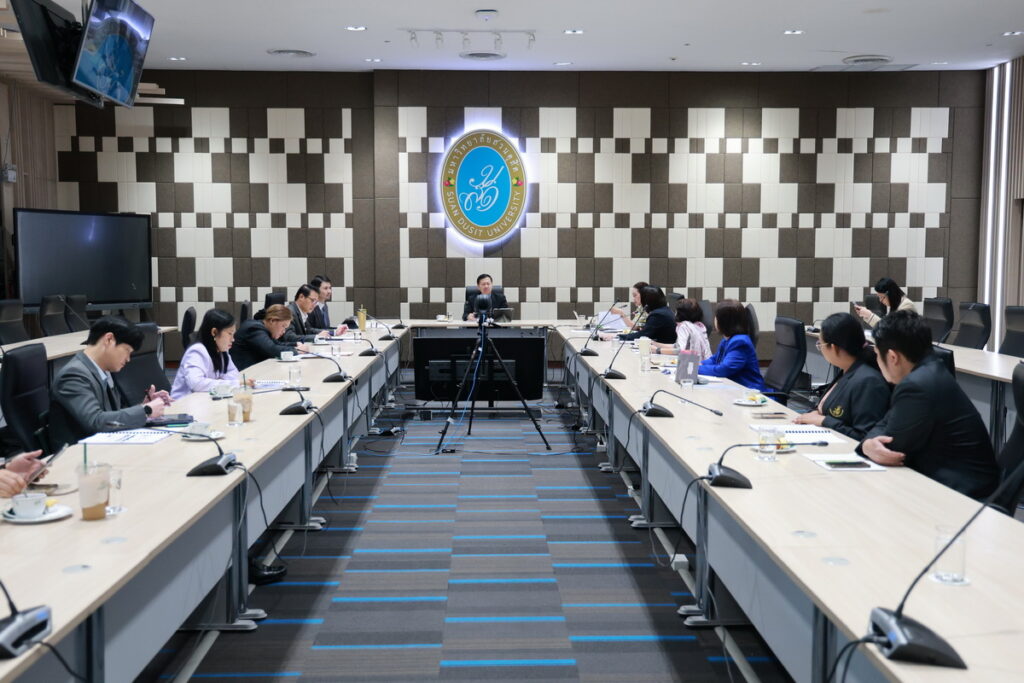
The Environmental Centre Operations Committee meeting on 24 July 2025 included agenda items concerning the greenhouse gas mitigation mechanism project towards a Net Zero Pathway and the organisational carbon footprint assessment and carbon credit management project.
Committee consideration provides a channel for monitoring project progress and connecting carbon-related activities with university-level administration, supporting continuity in the development of greenhouse gas data and management measures.
https://www.dusit.ac.th/home/2025/1570328.html
Connecting a Long-Term Goal with Verifiable Implementation
The activities undertaken in 2025 demonstrate Suan Dusit University’s progress in linking its carbon neutrality goal with academic cooperation, pilot-site development and staff capacity building. This work emphasises greenhouse gas data and assessment processes that can be reviewed and verified.
Public access to the university’s target, documents and activity reports enables stakeholders to follow its direction and progress, providing a foundation for more comprehensive and sustained carbon management towards its long-term goal.