
HIGHLIGHTS
- Institutional policy: SDU GOAL 2025–2028 identifies Power of Community Engagement: Holistic Economy as a core institutional direction for developing communities through the University’s campuses and education centres.
- Written engagement mechanism: The policy provides for a central academic-service function and participation networks to transfer knowledge, technology and innovation to communities both within and outside the University.
- Stakeholder engagement in practice: On 30 June 2025, the Research and Development Institute and SDU Trang Education Center convened government, private-sector and citizen-sector stakeholders to develop a three-year area-based research agenda for Trang Province.
- Locally relevant priorities: Stakeholders contributed to research directions on local food value creation, environmentally friendly value-based tourism, and processed agriculture and community enterprises within Trang Province.
Suan Dusit University (SDU) recognises that research, academic services and community development are more effective when they are based on local contexts and shaped with external stakeholders. The University therefore adopts an institutional approach that links its academic expertise with the needs of communities, public agencies, enterprises and civil-society partners in the areas served by its campuses and education centres.
This approach is set out in SDU GOAL 2025–2028: The Power of SDU, which was approved by the University Council on 31 January 2025. Under the strategic direction Power of Community Engagement: Holistic Economy, SDU aims to become a learning model for holistic community development and to use its expertise to improve the quality of life of people in its service areas. The policy provides the institutional basis for identifying relevant local stakeholders, engaging them in dialogue and translating their inputs into area-based action.
A Written Policy for Community Engagement
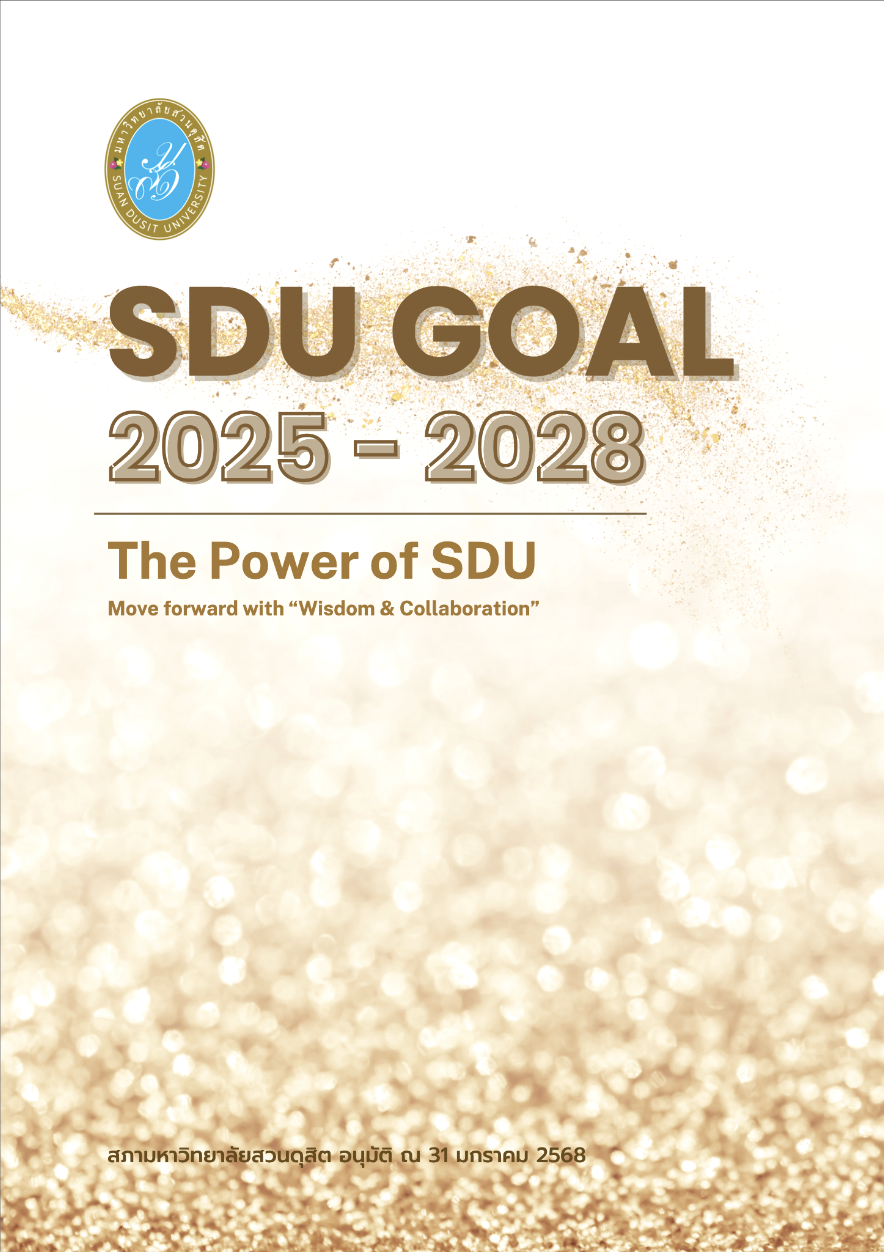
SDU GOAL 2025–2028 identifies community engagement as one of the University’s five strategic powers. Its objectives include creating social standards through campuses and education centres, promoting the transfer of innovation through a central academic-service function, expanding the Hom Kha Jorn Model across the University’s areas of operation, and supporting community-based work relevant to each local context.
The policy recognises that SDU’s education centres and campuses operate in different local settings and require locally appropriate partnerships. It therefore identifies the areas served by the University, including Trang, as places where knowledge, technology and innovation can be developed and transferred in response to community needs. The plan also calls for learning resources in campuses, education centres and surrounding communities, strengthening the connection between University expertise and local priorities.
The written framework includes two practical mechanisms for engagement. First, it assigns a central academic-service function to support the transfer of knowledge, technology and innovation to communities across SDU’s service areas. Second, it requires participation networks for transferring knowledge, technology and innovation with communities both inside and outside the University. Together, these mechanisms provide a basis for units to identify relevant external actors, communicate with them and build collaborative responses around local issues.
Turning Stakeholder Input into Research Priorities in Trang
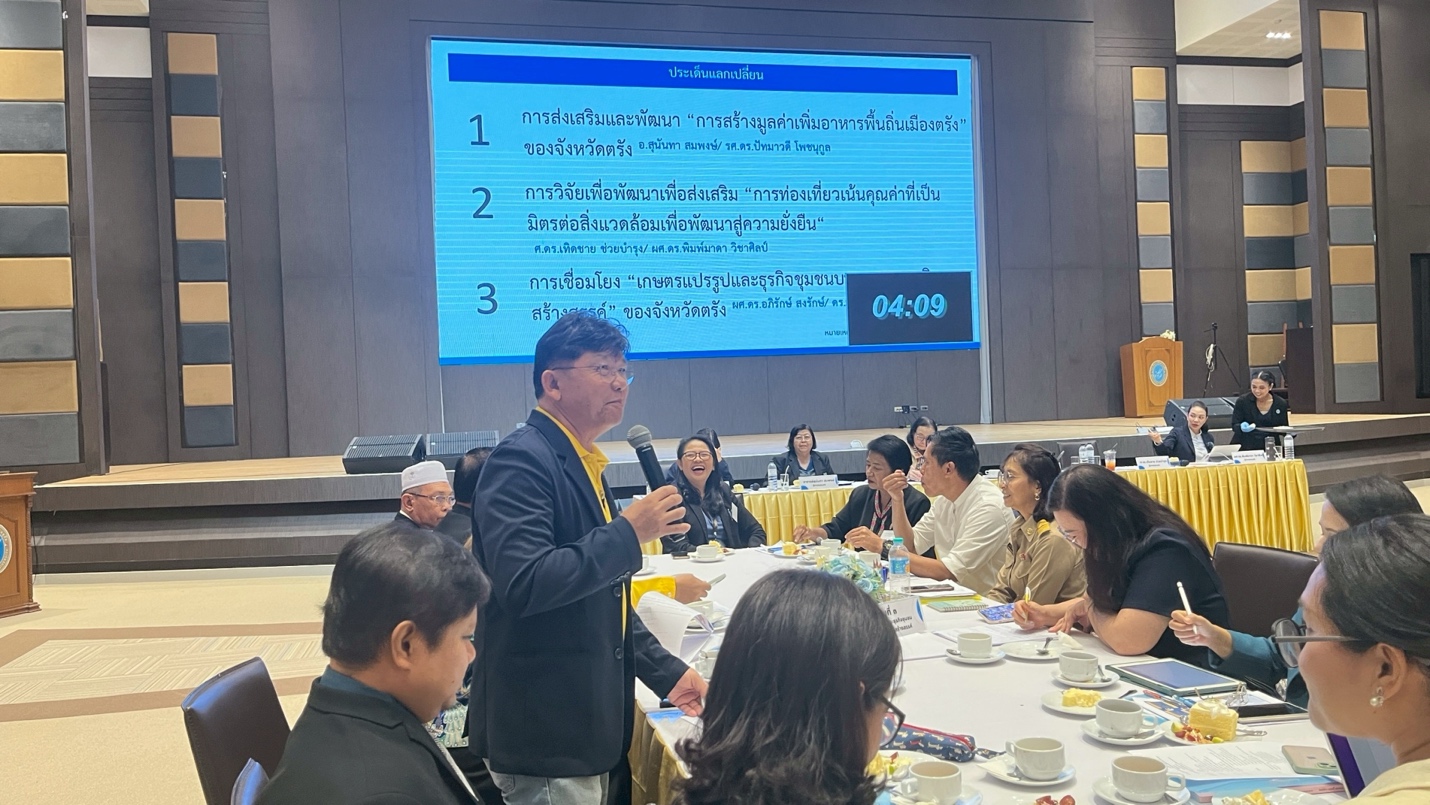
SDU applied this policy direction through the project “Developing Research Questions under the Area-Based Development Research Programme of Suan Dusit University,” organised by the Research and Development Institute in collaboration with SDU Trang Education Center. The event took place on 30 June 2025 at Fueang Fa Auditorium, SDU Trang Education Center, Trang Province.
The project aimed to develop a research programme and research questions that respond to the development priorities of Trang Province while drawing on SDU’s strengths. Petty Officer Anan Boonsamran, Vice Governor of Trang Province, opened the event. Associate Professor Dr. Chanasuek Nichanon, Vice President for Administration, Research and Innovation, presented SDU’s area-development approach under The Power of SDU, while Dr. Songsak Chayanukroh, Director of Trang Education Center, presented the Centre’s local strengths.
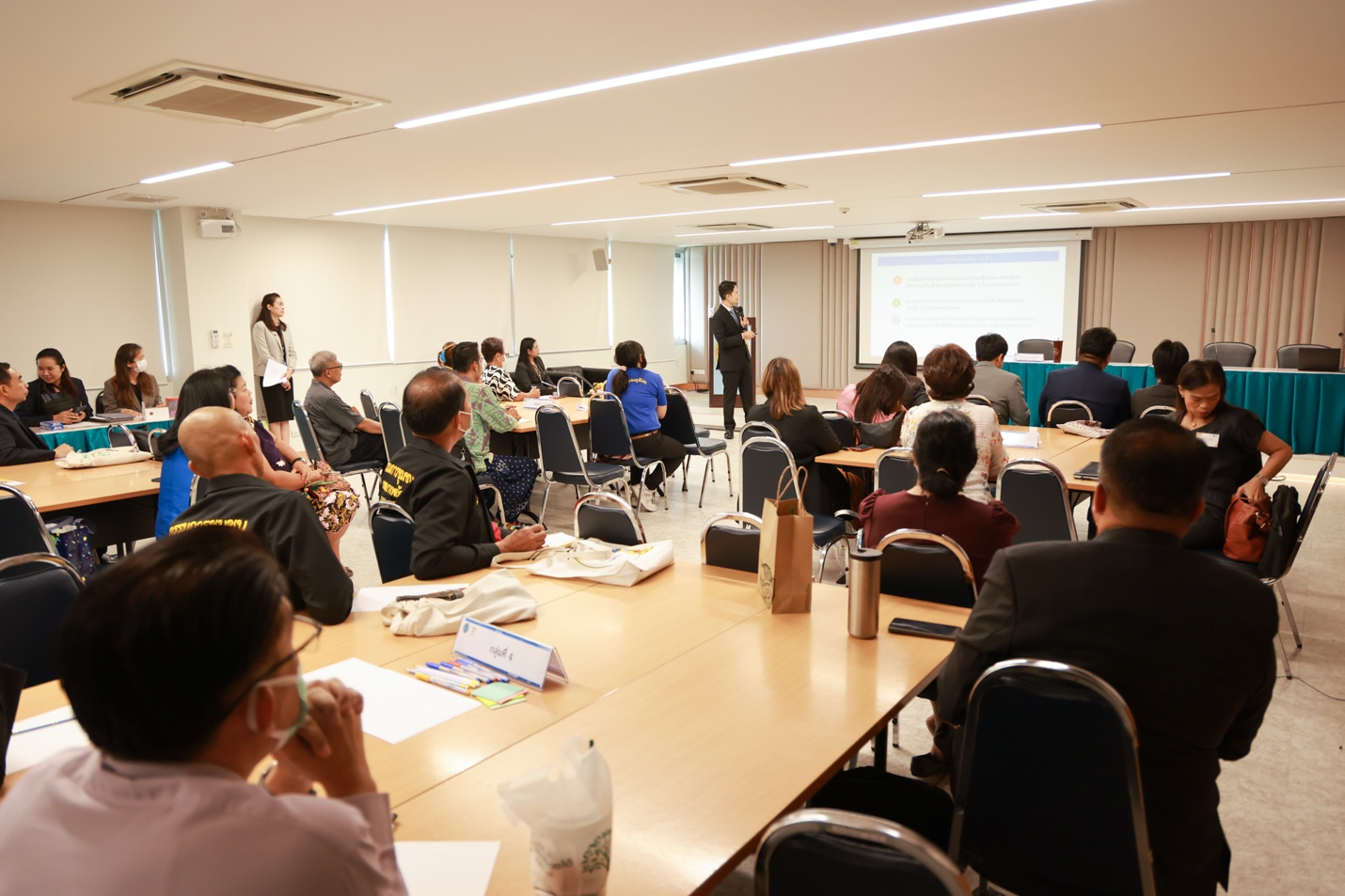
The engagement process brought together stakeholders from the public sector, private sector and citizen sector to provide perspectives on Trang’s three-year development goals. This created an evidence-based opportunity for local actors to identify issues, contribute knowledge and shape the research directions that SDU could pursue in partnership with the province.
Three Local Themes Shaped through Multi-Sector Dialogue
The consultation considered three locally relevant themes. The first focused on increasing the value of Trang’s local food. Khun Sunanta Somphong and Associate Professor Dr. Padmavadee Phochanukul provided expert perspectives on opportunities to strengthen local food products and create added value grounded in Trang’s identity.
The second theme addressed research for environmentally friendly, value-based tourism leading towards sustainability. Professor Dr. Therdchai Chuaybamrung and Assistant Professor Dr. Pimamada Wichasilp contributed perspectives on tourism development that respects environmental considerations and local value. The third theme considered processed agriculture and community enterprises based on the creative economy, with input from Assistant Professor Dr. Apirak Songrak and Dr. Marayat Samutsakorn.
Dr. Suchada Khumsalud, a lecturer in the Faculty of Management Science, served as the process facilitator. Her role supported structured discussion among representatives from different sectors and helped convert stakeholder perspectives into potential research questions. The immediate outcome was not a completed research project, but a locally informed process for developing a three-year research agenda for Trang Province.
Sustaining Local Accountability and Collaboration
SDU GOAL 2025–2028 provides the policy framework, while the Trang consultation demonstrates its application through a documented stakeholder-engagement process. The University identified relevant external groups according to the area and purpose of the research programme; convened them in a structured dialogue; gathered perspectives on priority issues; and used those inputs to guide the development of research questions.
This model supports SDG 16.2.3 because it combines a written institutional commitment with a practical process for identifying and engaging external local stakeholders. During the remaining period of SDU GOAL 2025–2028, the Research and Development Institute, campuses and education centres will continue to use area-based engagement to connect University expertise with community needs, local development priorities and sustainable solutions.
Public evidence links: SDU Goal 2568–2571: The Power of SDU, Bangkok area-based research-priority development forum, 29 May 2025, Lampang area-based research-priority development forum, 22 April 2025, Suphan Buri area-based research-priority development forum, 9 June 2025, and Trang area-based research-priority development forum, 30 June 2025. These sources show SDU’s policy direction and its structured engagement with government, private-sector and community representatives to define area-development research priorities.